AI-Powered Spatial Audio: The Future of Immersive Music Production
Exploring how AI algorithms are revolutionizing spatial audio mixing, from Dolby Atmos automation to personalized 3D soundscapes, and what this means for producers and artists in 2024.
Stella
A&R Manager

The Convergence of AI and Spatial Audio
The music industry is witnessing a paradigm shift as artificial intelligence meets spatial audio technology. This fusion is creating unprecedented opportunities for producers to craft immersive soundscapes that adapt to listener preferences in real-time.
Current Technologies Reshaping the Industry
Apple's Spatial Audio with Dynamic Head Tracking
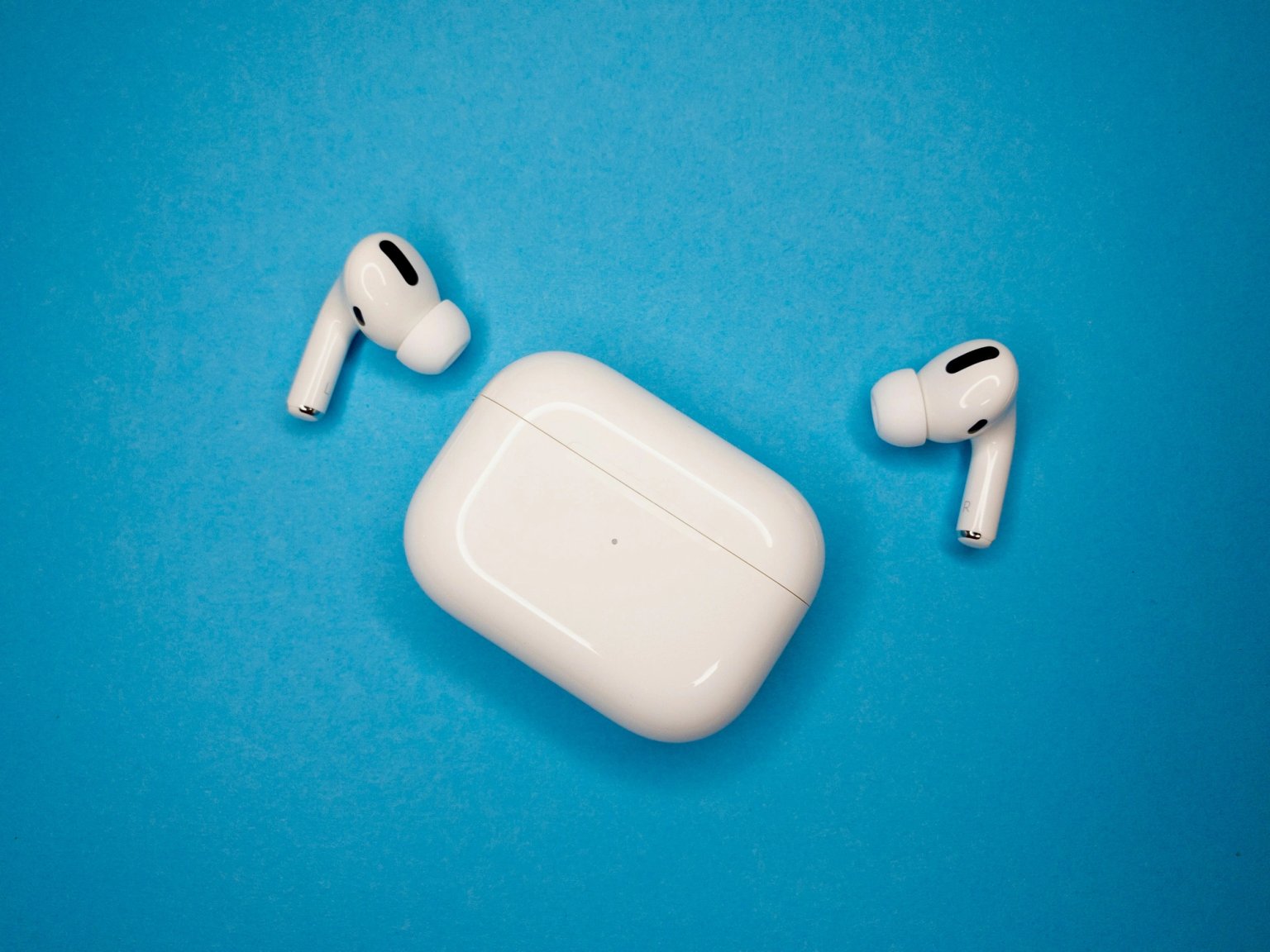
Apple's implementation has democratized spatial audio, making it accessible to millions through AirPods. The technology uses accelerometer and gyroscope data to maintain audio positioning relative to device orientation.
AI-Assisted Mixing Tools
Dolby Atmos Music workflows now incorporate AI algorithms that can:
- Automatically place instruments in 3D space based on frequency analysis
- Create dynamic movement patterns that respond to musical energy
- Generate binaural renders optimized for individual HRTF profiles
Real-World Applications
Case Study: Logic Pro's AI Mastering Assistant
Apple's recent Logic Pro update includes spatial audio templates with AI-suggested object positioning. The system analyzes:
- Frequency content and harmonic relationships
- Transient characteristics
- Stereo field information
Input: Stereo Mix → AI Analysis → Spatial Object Placement → 7.1.4 Output
Emerging Tools for Independent Artists
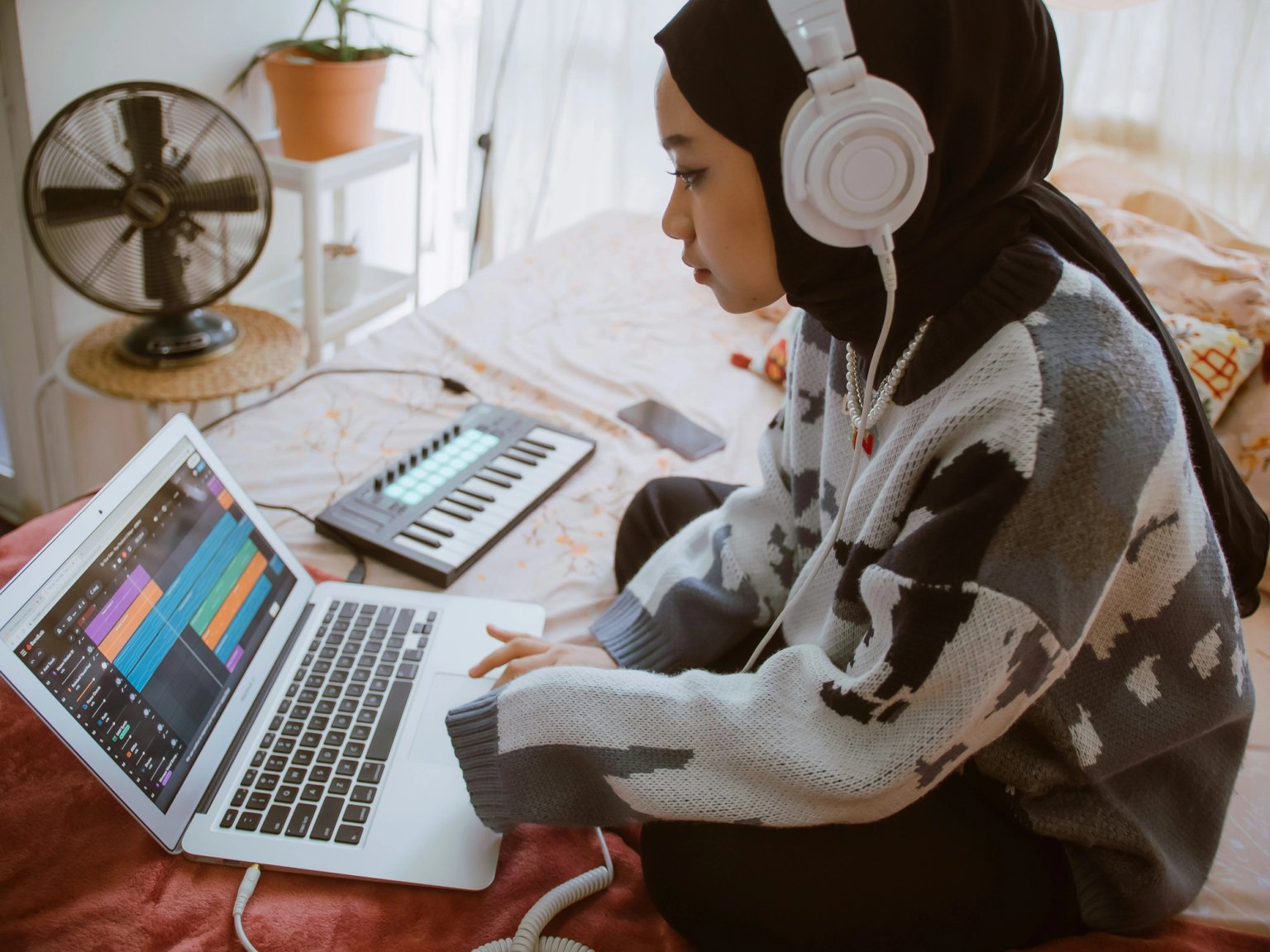
Waves Nx and Dear VR plugins now offer AI-powered spatial mixing accessible to bedroom producers, with prices starting at $99 - democratizing what once required million-dollar studios.
The Technical Deep Dive
HRTF Personalization Through Machine Learning
Head-Related Transfer Functions (HRTFs) are becoming personalized through:
1. Photo-based ear shape analysis
2. Neural network prediction models
3. Real-time adaptation algorithms
Ambisonic to Binaural Conversion
Modern AI systems excel at converting ambisonic recordings to binaural with minimal artifacts:
B-Format (W,X,Y,Z) → Neural Network → Personalized Binaural Output
Future Implications
The Metaverse Sound Design
As virtual concerts become mainstream, spatial audio will be essential. Artists like Travis Scott and Ariana Grande have already demonstrated the commercial viability of virtual performances with spatial sound design.
AI Composers Creating in 3D
GPT-based music generation tools are beginning to output spatial metadata alongside MIDI data, enabling AI to compose not just notes, but their position in 3D space.
Challenges and Considerations
While the technology is promising, we must address:
- Standardization issues between platforms (Apple Spatial vs. Sony 360 Reality Audio)
- Creative authenticity questions as AI takes larger roles
- Accessibility for smaller artists and studios

Conclusion
The intersection of AI and spatial audio represents the most significant evolution in music production since the transition from mono to stereo. As these tools become more accessible, we're entering an era where every bedroom producer can create cinema-quality immersive experiences.
Related Articles
AI Mastering Services Compared: LANDR vs eMastered 2025
AI mastering services that emerged in 2014 have now become industry standard. We compare LANDR and eMastered—their strengths, weaknesses, pricing, and when to choose which service.
AI 마스터링 서비스 완전 비교: LANDR vs eMastered 2025
2014년 등장한 AI 마스터링 서비스가 이제 업계 표준이 되었습니다. LANDR과 eMastered, 두 서비스의 장단점과 가격, 그리고 어떤 상황에서 어떤 서비스를 선택해야 하는지 비교 분석합니다.
공간 음향의 시대: 2025년 Dolby Atmos가 필수인 이유
영화관의 전유물이었던 Dolby Atmos가 음악 산업의 표준이 되고 있습니다. 2025년 사운드 엔지니어라면 반드시 알아야 할 공간 음향 기술의 현재와 미래를 분석합니다.